Which Compound to Use to Manufacture a Printer Housing
What Is It?
NEXXALAC™ Glass Filled PC Compound reinforces polycarbonate with glass fiber for applications needing more rigidity than unfilled PC provides.
How It's Manufactured
Glass fiber is melt-compounded into PC resin at PC's characteristically high processing temperature, on a twin-screw line configured to preserve fiber length under that higher-shear, higher-heat compounding pass.
Manufacturing Process for This Application
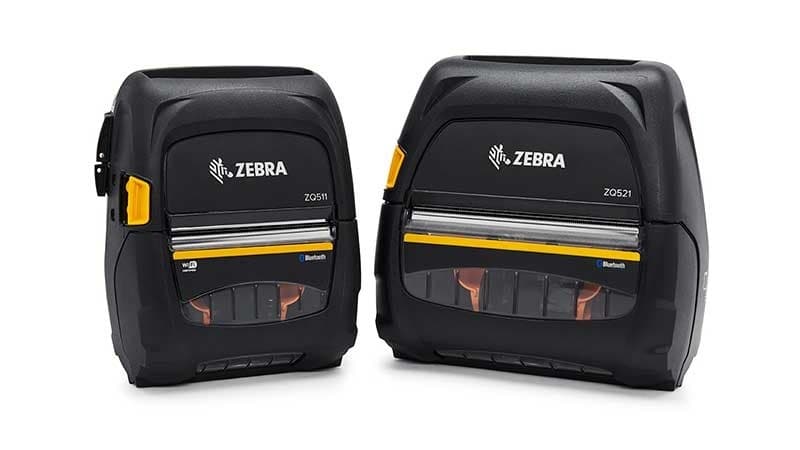
Printer and electronic equipment housings are injection molded from the dried, reinforced compound. A printer housing is a larger structural shell that has to resist flex and creep under its own mounted components (rollers, motors, circuit boards) over years of service, so wall thickness and rib design lean on the added stiffness glass fiber provides.
Why Polymer Choice Matters Here
An unfilled PC housing on a larger equipment enclosure can flex enough under mounted component weight and repeated door/tray opening to eventually crack at stress points or misalign internal mechanisms — glass reinforcement raises the stiffness ceiling for exactly this kind of larger, load-bearing electronic housing.
Why This Compound Is Suited
This grade is specified for "Mobile assembly, Printer's application, Electrical & Electronic housing parts" precisely because those enclosures need PC's aesthetic and impact properties plus the added rigidity glass fiber provides.
Nexxa Compounds is a leading manufacturer of PC compounds for printer's housing applications in India, supplying some of the largest manufacturers across India and internationally.
Related Posts
Which Compound to Use to Manufacture a Mobile Phone Back Cover
Why unfilled polycarbonate is used for mobile phone covers and LED housings that need a premium finish.
Which Compound to Use to Manufacture a Mobile Assembly Component
Why glass-filled polycarbonate is used for structural mobile phone assembly components.
Which Compound to Use to Manufacture an Electrical Switch
Why unfilled polycarbonate is used for electrical switch bodies needing clarity and impact resistance.